
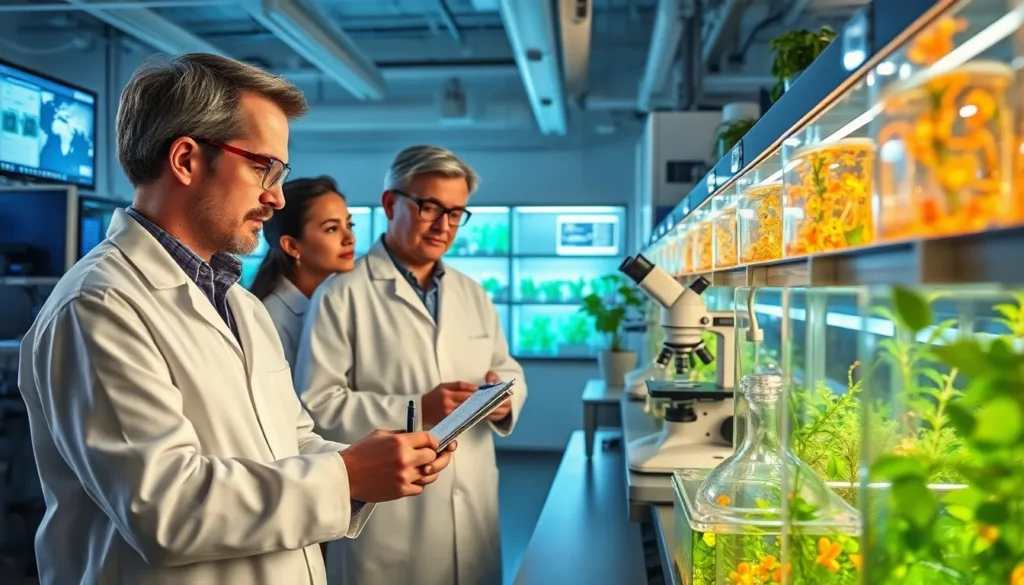
Imagine a world where scientists can engineer living organisms like a chef whipping up a gourmet meal. Welcome to the fascinating realm of synthetic biology, where creativity meets cutting-edge science. This innovative field is revolutionizing everything from medicine to agriculture, making it possible to design organisms that can tackle some of humanity’s biggest challenges.
Overview of Synthetic Biology
Synthetic biology merges biology and engineering, enabling the design and construction of new biological parts, devices, and systems. This interdisciplinary approach employs techniques from diverse fields, such as genetics, molecular biology, and computer science, allowing for innovative solutions to complex problems.
Applications of synthetic biology span multiple sectors. In medicine, it facilitates the development of targeted therapies, such as engineered antibodies and custom vaccines. Agriculture benefits from synthetic biology through the creation of genetically modified organisms that enhance crop yields and resilience.
Ethical considerations play a critical role in discussions surrounding synthetic biology. Stakeholders raise questions about safety, environmental impact, and potential misuse. Regulatory frameworks are evolving to address these concerns while promoting innovation and responsible research.
Synthetic biology also drives sustainable practices. Researchers develop microorganisms that can produce biofuels from waste materials, reducing reliance on fossil fuels. Efforts in this area contribute to a circular economy, emphasizing resource efficiency and environmental stewardship.
Collaboration among scientists, policymakers, and industry representatives fosters advancements in synthetic biology. Partnerships enable shared knowledge and resources, which accelerate progress and ensure responsible application of technologies. As the field continues to evolve, its transformative potential remains significant in addressing global challenges.
Key Concepts in Synthetic Biology

Synthetic biology encompasses crucial concepts that drive advancements in the field. Understanding these concepts enhances the ability to leverage this technology effectively.
Genetic Engineering
Genetic engineering forms the backbone of synthetic biology. It involves the manipulation of an organism’s DNA to introduce new traits. Techniques include CRISPR-Cas9, which enables precise edits to the genome. Researchers create genetically modified organisms to study diseases and develop therapies. Applications in agriculture focus on enhancing pest resistance and improving nutritional content in crops. Safety and ethical considerations shape discussions around genetic engineering, guiding regulatory frameworks. Novel approaches continue to emerge, expanding the capabilities and applications of genetic engineering.
Metabolic Engineering
Metabolic engineering focuses on modifying metabolic pathways within organisms. This technique allows the production of valuable chemicals, biofuels, and pharmaceuticals. By optimizing enzyme activity, scientists improve yield and efficiency of produced compounds. Certain microorganisms have been engineered to convert waste materials into energy. Furthermore, metabolic engineering supports sustainable practices by reducing resource consumption. Continuous advancements in this area indicate significant potential for innovation in various industries. Collaboration between disciplines enhances the effectiveness of metabolic engineering strategies.
Applications of Synthetic Biology
Synthetic biology finds applications across multiple sectors, notably healthcare and environmental solutions. Its innovative techniques drive advancements that address pressing global challenges.
Healthcare Innovations
Healthcare benefits significantly from synthetic biology applications. Engineered antibodies provide targeted therapies for diseases, increasing treatment efficacy. Custom vaccines emerge rapidly through synthetic methods, optimizing response to pathogens. Moreover, precision medicine tailors treatments to individual genetic profiles, enhancing patient outcomes. Advancements in diagnostics utilize synthetic biology for more accurate results, enabling earlier interventions in diseases. Techniques in gene editing enhance research into inherited disorders, paving the way for potential cures.
Environmental Solutions
Environmental challenges face innovative answers through synthetic biology. Microorganisms engineered to degrade pollutants support bioremediation efforts in contaminated areas. Projects focus on biofuels produced from waste materials, decreasing reliance on fossil fuels. Advanced biological systems convert carbon dioxide into useful products, contributing to climate change mitigation. Genetic modifications in plants enhance their resilience to environmental stressors, supporting sustainable agriculture. This integration of biology and technology promotes responsible stewardship of natural resources, reinforcing sustainable practices.
Ethical Considerations in Synthetic Biology
Ethical implications shape the discourse around synthetic biology. Safety emerges as a primary concern, especially regarding genetically engineered organisms. Scientists assess risks to human health and ecosystems before introducing new organisms into the environment. Regulatory frameworks guide oversight, addressing safety through pre-market evaluations and post-market monitoring.
Environmental impact remains another vital consideration. Synthetic biology has the potential to disrupt ecosystems if engineered organisms interact unpredictably with native species. Researchers must evaluate consequences of releasing genetically modified organisms into natural habitats. Monitoring these organisms post-release can help mitigate unforeseen effects.
Potential misuse of synthetic biology technologies necessitates vigilance. Risks include bioterrorism or unethical bioengineering practices. Establishing clear ethical standards for research and application can curb such misuse. Collaborative efforts among scientists and policymakers play a critical role in developing these standards.
Societal acceptance significantly influences the advancement of synthetic biology. Public perception of genetic modification varies, often fueled by misinformation. Engaging with communities and promoting transparency fosters trust in scientific endeavors. Education on the benefits and risks of synthetic biology can enhance understanding and acceptance.
Education and training for researchers also ensure ethical practices in synthetic biology. Incorporating ethics into curricula promotes awareness and responsibility. Stakeholder engagement ensures diverse perspectives are considered in decision-making processes.
Promoting sustainable practices underscores the importance of ethical considerations. Developing microorganisms that convert waste into biofuels exemplifies responsible innovation. Continual assessment of the ethical landscape adapts to emerging technologies, emphasizing the need for ongoing dialogue and collaboration among stakeholders.
Future Directions in Synthetic Biology
Innovations in synthetic biology promise significant advancements in various fields. One focus area includes the development of tailored treatments for diseases. Researchers aim to create personalized medicines, utilizing genetic data to enhance efficacy and reduce adverse effects.
Applications in sustainable agriculture continue to gain momentum. Modifications to crop genomes enable plants to withstand environmental stressors while increasing yields. Insect resistance and improved nutritional content represent key benefits of these innovations.
Biomanufacturing presents another avenue for growth. Microorganisms engineered to produce valuable compounds can streamline the production of biofuels, pharmaceuticals, and biodegradable materials. Sustainability goals drive interest in harnessing biological systems for efficient production processes.
Synthetic biology holds potential for environmental restoration. Techniques involving engineered microorganisms can help within bioremediation efforts, restoring ecosystems impacted by pollution. These solutions may also include converting carbon dioxide into valuable resources, addressing climate change challenges while promoting circular economies.
Collaboration among interdisciplinary teams fosters further advancements. Scientists, ethicists, and policymakers must work together to ensure responsible development. Transparency in research processes enhances public trust and mitigates misinformation.
Investments in education and training equip future researchers with necessary skills. Curricula focusing on ethics and practical applications will prepare the next generation of scientists for responsible engagement in synthetic biology. Enhanced understanding of these technologies supports both innovation and societal acceptance.
Regulatory frameworks will evolve alongside technological developments. Ensuring safety and ethical considerations remain central to ongoing research is crucial. Balancing innovation with public health and environmental protection stands as a priority for future efforts in synthetic biology.
Synthetic biology stands at the forefront of innovation with the potential to revolutionize healthcare and agriculture. By merging biology and engineering, it offers solutions to some of the world’s most pressing challenges. The ethical considerations and safety measures surrounding this field are essential for fostering public trust and ensuring responsible advancements.
As research progresses, collaboration among scientists, ethicists, and policymakers will be vital in navigating the complexities of synthetic biology. Continued education and transparency will empower communities to engage with these technologies, ultimately paving the way for a future where synthetic biology can thrive while prioritizing safety and environmental stewardship. The journey ahead promises exciting possibilities that could reshape the way society addresses critical issues.