
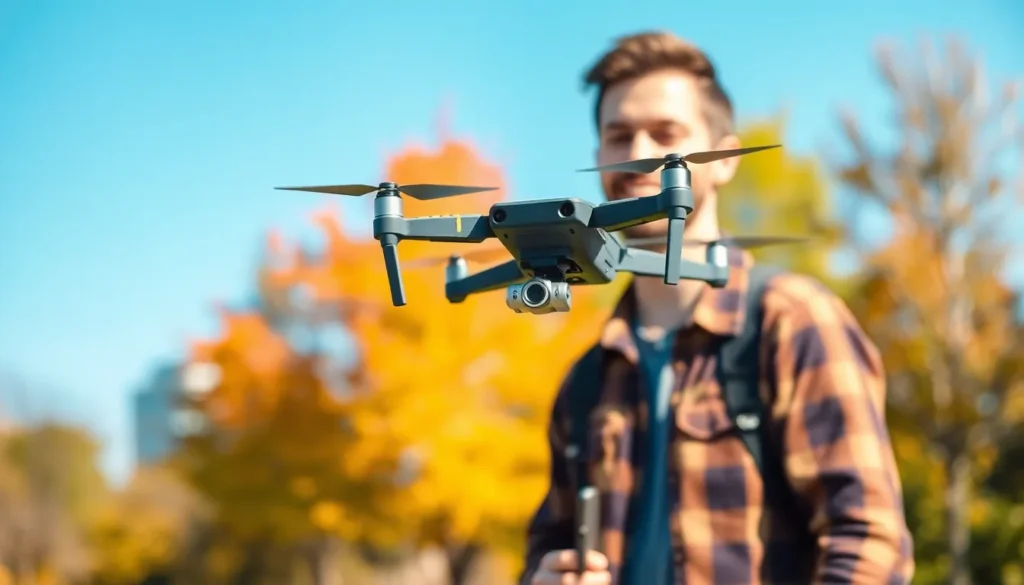
Drones are the coolest toys for adults, and let’s be honest, who doesn’t want to fly a robot through the sky? Whether it’s capturing stunning aerial shots or just buzzing around for fun, drones have taken the hobby world by storm. But before you take to the skies, there’s a lot to learn—like how not to turn your neighbor’s garden into a landing zone.
Overview of Drones
Drones, also known as unmanned aerial vehicles (UAVs), have gained immense popularity among hobbyists. Many enthusiasts enjoy using drones for various activities, including aerial photography and recreational flying. A wide variety of drone models exists, catering to different skill levels, budgets, and use cases.
Drone types vary significantly. Multirotor drones excel at stability, making them ideal for aerial photography. Fixed-wing drones offer long flight times and efficient gliding, popular for surveying and mapping tasks. Racing drones cater to those seeking speed and agility, frequently participating in competitive events.
Understanding drone components is crucial for operation. Essential parts include the frame, motors, propellers, battery, and flight controller. Each component plays a specific role in overall functionality, enhancing flight performance and user experience.
Safety regulations are vital in drone operation. The Federal Aviation Administration (FAA) sets guidelines for recreational use, including maintaining visual line of sight and registering drones over a certain weight. Following these regulations ensures safe flying and prevents potential accidents, such as crashing in prohibited areas.
In addition to regulations, mastering flying skills is essential for drone enthusiasts. Practicing in open areas allows pilots to refine their controls and develop situational awareness. Many hobbyists also invest in flight simulators, providing a risk-free environment for skill development.
Drones present endless possibilities for creativity and exploration. Whether capturing breathtaking landscapes or racing through obstacle courses, hobbyists find joy and excitement in this growing field. Engaging with the drone community fosters knowledge exchange and experience sharing, enriching the hobbyist journey.
Getting Started with Drones
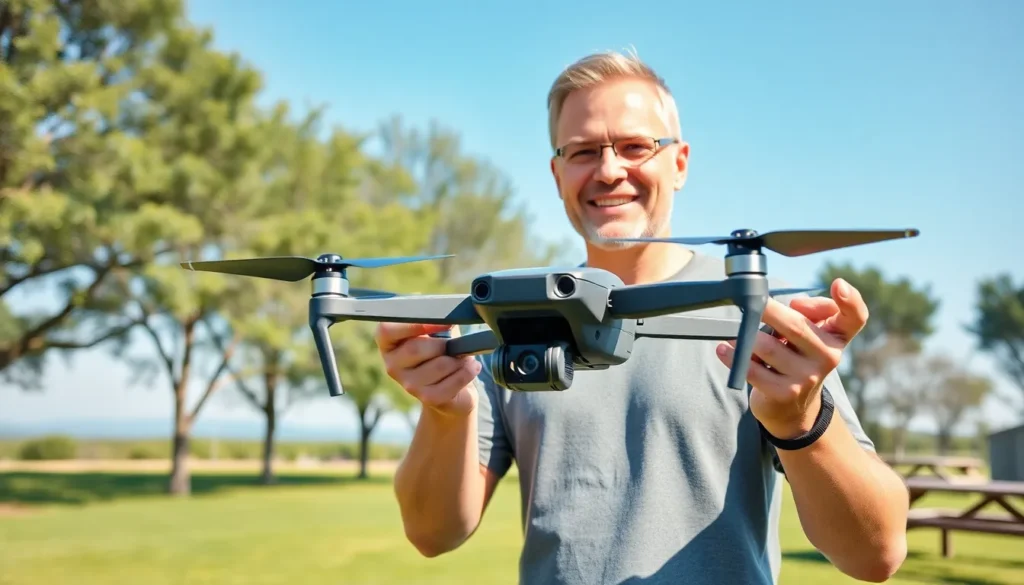
Drones offer exciting possibilities for enthusiasts, but choosing the right one and understanding the necessary regulations are crucial steps.
Choosing Your First Drone
Selecting a beginner drone involves evaluating several factors. Budget considerations play a big role; entry-level options generally range from $100 to $500. Features also matter; cameras with 1080p resolution enhance aerial photography. Sturdy builds help withstand beginner crashes, while easy control systems allow smoother flying experiences. Multirotor drones typically provide excellent stability, making them suitable for new users. Beginners should prioritize drones that offer good flight time, typically around 15 to 25 minutes. Researching reviews can provide valuable insights into performance and reliability as well.
Understanding Drone Regulations
Following regulations is essential for all drone operators. The Federal Aviation Administration (FAA) outlines important guidelines that every hobbyist must know. Registering drones weighing more than 0.55 pounds ensures compliance; the registration process involves a fee of $5. Pilots should always maintain a visual line of sight with their drones during flights. Additionally, flying below 400 feet in uncontrolled airspace keeps operations safe. Understanding airspace classifications is vital; restricted areas include airports and sensitive environments. Local regulations may also apply, so checking with authorities remains necessary. Familiarity with these regulations enhances safety and enjoyment in the drone hobby.
Essential Accessories for Hobbyists
Drone enthusiasts often require specific accessories to enhance their flying experience. These items can improve performance and functionality, making hobbyist flying more enjoyable.
Batteries and Chargers
Batteries act as the lifeline for drones. Choosing high-capacity lithium polymer (LiPo) batteries can extend flight time significantly. Multiple batteries ensure longer play sessions, especially for those engaged in aerial photography or racing. Quality chargers are equally important. Intelligent chargers manage battery health by balancing the charge cycles. They’re designed to reduce the risk of overcharging, enhancing safety and longevity.
Camera Options
Camera quality greatly impacts the overall drone experience. Many hobbyists opt for 4K cameras for crisp, high-resolution images and videos. Stabilization technology, such as gimbals, enhances image quality during flight. Swappable camera systems allow users to select models based on specific needs, like capturing wide-angle shots for landscapes or zooming in on distant subjects. Some drones come equipped with integrated cameras, streamlining the setup process for beginners.
Tips for Flying Drones
Flying drones requires a mix of skill and awareness. Mastering techniques and prioritizing safety enhances the overall experience.
Basic Flight Techniques
Learning basic flight techniques sets the foundation for successful drone operation. Start with orientation, understanding how the drone moves in relation to the pilot. Practice ascending and descending steadily to maintain control. Maneuvering left and right helps in mastering spatial awareness. Gradually advance to more complex movements like pirouettes and smooth circular flight patterns. Experimenting with various speeds allows for adapting to different environments. Using the throttle gently prevents abrupt changes that could lead to mishaps. Refine skills through regular practice. Keeping a steady grip on the controls ensures better responsiveness and overall stability.
Safety Considerations
Prioritizing safety is crucial when flying drones. Before taking off, check the drone’s pre-flight checklist for battery levels and proper equipment functionality. Awareness of surroundings prevents accidents, especially near people and animals. Understanding airspace regulations keeps hobbyists compliant with FAA rules. Staying below 400 feet reduces risks and maintains visual contact. Respecting privacy concerns leads to responsible flying and a positive image for the community. In case of emergencies, having an action plan provides clear steps to mitigate risks. Continuous learning about safety practices enhances overall flying skills and keeps everyone safe.
Advanced Flying Techniques
Advanced flying techniques can elevate a drone hobbyist’s experience, enabling impressive maneuvers and spectacular results. Mastering these skills not only enhances creativity but also ensures safety and compliance in the air.
Aerial Photography Tips
Capturing stunning aerial photographs requires attention to detail. Use high dynamic range (HDR) to enhance the contrast in images. Adjust settings for optimal lighting conditions, especially during golden hours, which bring out rich colors. A gimbal stabilizer helps reduce camera shake, ensuring crisp images. Experiment with angles and compositions to add interest to shots. Focus on the rule of thirds to create a balanced composition. Various post-processing techniques can further enhance the final image quality, making it essential to familiarize oneself with photo editing software.
Racing Drones
Racing drones offer an adrenaline-fueled flying experience, appealing to those seeking speed and agility. Selecting lightweight frames contributes to faster flight and better maneuverability. High-quality motors and efficient electronic speed controllers (ESCs) enhance speed and responsiveness. Building custom drones allows enthusiasts to optimize their setups for different courses. Pilots should focus on mastering turns and quick directional changes, which improve overall racing performance. Practicing in various environments helps gain confidence and develop skills. Competitive racing often incorporates first-person view (FPV) technology, providing immersive control during races.
Drones offer an exciting avenue for creativity and exploration. By understanding the various types of drones and their components hobbyists can enhance their flying experience. Emphasizing safety and compliance with FAA regulations is essential for responsible operation.
Engaging with the drone community can provide valuable insights and support for both beginners and seasoned pilots. With the right equipment and knowledge hobbyists can capture stunning aerial imagery and enjoy thrilling flights. The journey into the world of drones promises endless opportunities for fun and innovation.