

Drones have taken to the skies, and they’re not just for capturing stunning aerial selfies anymore. With a variety of function modules, these flying marvels are transforming industries from agriculture to filmmaking. Imagine a drone that can not only deliver your pizza but also monitor crop health or inspect hard-to-reach infrastructure. It’s like having a Swiss Army knife in the sky, minus the risk of losing a finger!
Overview of Drone Function Modules
Drones feature various function modules that enhance their capabilities across multiple sectors. These modules enable drones to perform specific tasks effectively, making them invaluable tools in today’s world. Aerial imagery modules, for instance, allow drones to capture high-resolution photos and videos, benefiting industries such as filmmaking and real estate.
Sensors play a crucial role in some drone function modules. Equipped with thermal imaging or LiDAR, these sensors assist in monitoring environmental conditions, optimizing agricultural practices, and conducting search and rescue missions. Agriculture drones equipped with multispectral sensors assess crop health, identifying areas requiring attention without needing extensive ground surveys.
Payload delivery modules transform drones into delivery systems. Companies use these modules for transporting products quickly and efficiently, improving logistics in urban and rural areas. Medical supply deliveries via drone provide critical support to remote locations, saving time in emergencies.
Communication modules enhance connectivity between drones and operators. Enhanced data transmission options improve real-time monitoring and control, enabling remote operations in sectors like infrastructure inspection and surveillance. Connectivity also expands the potential for swarm technology, where multiple drones operate collaboratively.
Autonomous flight modules enable drones to navigate pre-programmed routes. Self-piloted drones reduce the need for human intervention, increasing efficiency in operations such as mapping and surveillance. Safety features like obstacle detection and avoidance further enhance their usability.
These diverse drone function modules reflect their growing versatility and ability to meet the demands of various industries, showcasing how they are rapidly evolving into essential tools for future innovations.
Types of Drone Function Modules
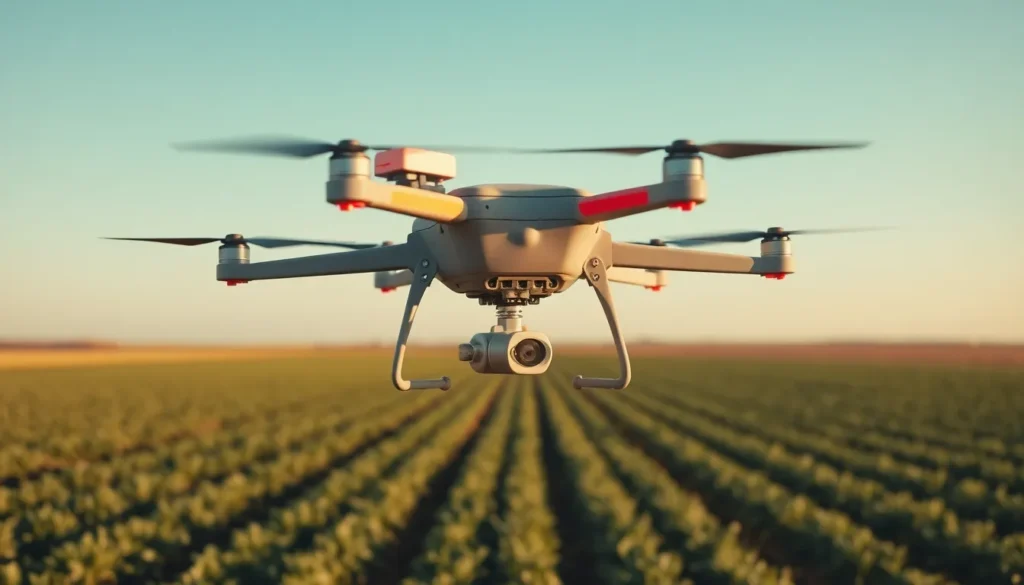
Drones feature various function modules that enhance their operational capabilities. Each module serves a distinct purpose, expanding the utility of drones across multiple sectors.
Flight Control Modules
Flight control modules manage stability and navigation. They enable precise maneuvering through GPS integration and automatic stabilization technologies. These systems allow drones to fly autonomously, ensuring they maintain set flight paths even in challenging weather conditions. Advanced flight control capabilities include altitude hold and waypoint navigation, empowering operators to focus on tasks rather than piloting.
Communication Modules
Communication modules play a critical role in maintaining connectivity between drones and operators. These modules facilitate real-time data transmission, improving situational awareness during missions. Users engage with the drone via radio frequencies or cellular networks, enabling remote control and live feed access. Reliable communication ensures efficient collaboration, especially in applications such as search and rescue missions or aerial inspections.
Payload Modules
Payload modules are designed to transport various items securely and efficiently. They come in different configurations, accommodating items like cameras, medical supplies, or agricultural products. Effective payload management maximizes operational efficiency, allowing drones to complete missions that demand unique cargo. Capabilities exist to drop supplies accurately or monitor cargo weight, catering to diverse delivery needs.
Sensor Modules
Sensor modules enhance the data collection capabilities of drones. These modules can include thermal imaging, LiDAR, or multispectral sensors. Each type captures specific environmental data, aiding in tasks like crop monitoring, infrastructure assessment, or wildlife tracking. Sensor modules are essential for industries that rely on accurate and timely information, significantly improving decision-making processes.
Importance of Drone Function Modules
Drone function modules significantly enhance the versatility and effectiveness of unmanned aerial vehicles across various sectors. These modules enable drones to undertake specialized tasks efficiently, making them essential in modern applications. Aerial imagery modules provide high-resolution photo and video capture, which is key for industries such as filmmaking and real estate.
Thermal imaging sensors assist in monitoring environmental conditions. These capabilities allow agricultural professionals to assess crop health and irrigation needs. LiDAR sensors further aid in landscape mapping and infrastructure planning, enabling precise data collection critical for decision-making.
Payload delivery modules streamline the transportation of goods. Efficient product deliveries, including essential medical supplies, demonstrate the potential of drones in disaster response operations. Communication modules enhance connectivity, ensuring real-time data transmission between drones and operators, which improves situational awareness during missions.
Autonomous flight modules play a crucial role in navigating pre-programmed routes. Such functionality boosts operational efficiency, especially in complex environments. Flight control modules manage stability and navigation, allowing drones to maintain performance even in adverse weather conditions.
Safety and reliability benefit from advanced drone function modules. Sensor modules improve accuracy in data collection, which is vital for industries relying on real-time information, such as environmental monitoring and military applications. The integration of these diverse modules protects investments while maximizing operational effectiveness. By adapting to various needs, drone function modules showcase the technology’s expanding role in addressing contemporary challenges.
Future Trends in Drone Function Modules
Innovative advancements in drone function modules continue to shape the future of the industry. Enhanced data collection capabilities play a significant role in this evolution, improving accuracy for decision-making across agriculture and environmental monitoring sectors. Smart communication modules facilitate seamless information transfer, increasing situational awareness for operators during missions.
Next, autonomous flight technologies are on the rise, allowing drones to execute pre-programmed routes with remarkable precision. Real-time monitoring enhances operational efficiency, particularly in complex and dynamic environments. Advanced thermal imaging and LiDAR sensors expand capabilities, enabling drones to collect invaluable environmental data for infrastructure planning and agricultural assessments.
In addition, payload delivery systems evolve to support rapid logistics solutions, including urgent medical supply deliveries. Future developments in this area may integrate AI for better route optimization and safety. Enhanced safety features in flight control modules work to maintain stability during challenging weather conditions, crucial for mission success.
Collaborative drone operations emerge as a trend, where multiple drones work in unison for tasks like large-scale agricultural monitoring and disaster response missions. Drones equipped with AI-driven analytics can process intricate data sets faster, improving operational insight in real-time.
Sustainability practices gain importance, prompting manufacturers to design eco-friendly drones that prioritize energy efficiency. As industries expand their reliance on drones, function modules are likely to become more specialized, catering to the specific needs of sectors like construction, security, and healthcare.
The future of drone function modules is bright and filled with potential. As technology continues to advance these modules will become increasingly specialized to cater to specific industry needs. This evolution not only enhances operational efficiency but also opens doors for innovative applications that can address pressing global challenges.
With an emphasis on sustainability and collaboration the landscape of drone technology is set to transform. As industries embrace these tools the integration of advanced modules will play a crucial role in shaping the future of sectors such as agriculture healthcare and logistics. Drones are no longer just flying cameras; they’re becoming indispensable assets in a wide range of operations.