
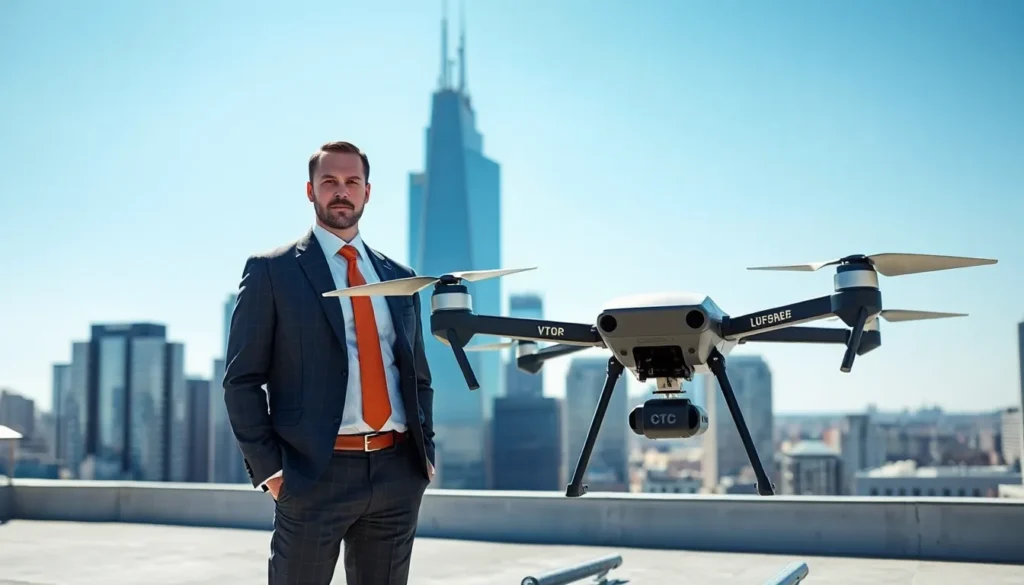
Imagine hopping into a flying car that effortlessly lifts off the ground without needing a long runway. While we aren’t quite there yet, VTOL drones are making that dream a lot closer to reality. Short for Vertical Take-Off and Landing drones, these cutting-edge machines are redefining air travel and transportation as we know it. Ready to jump into the intriguing realm of VTOL drones? Buckle up and prepare for takeoff.
What Are VTOL Drones?
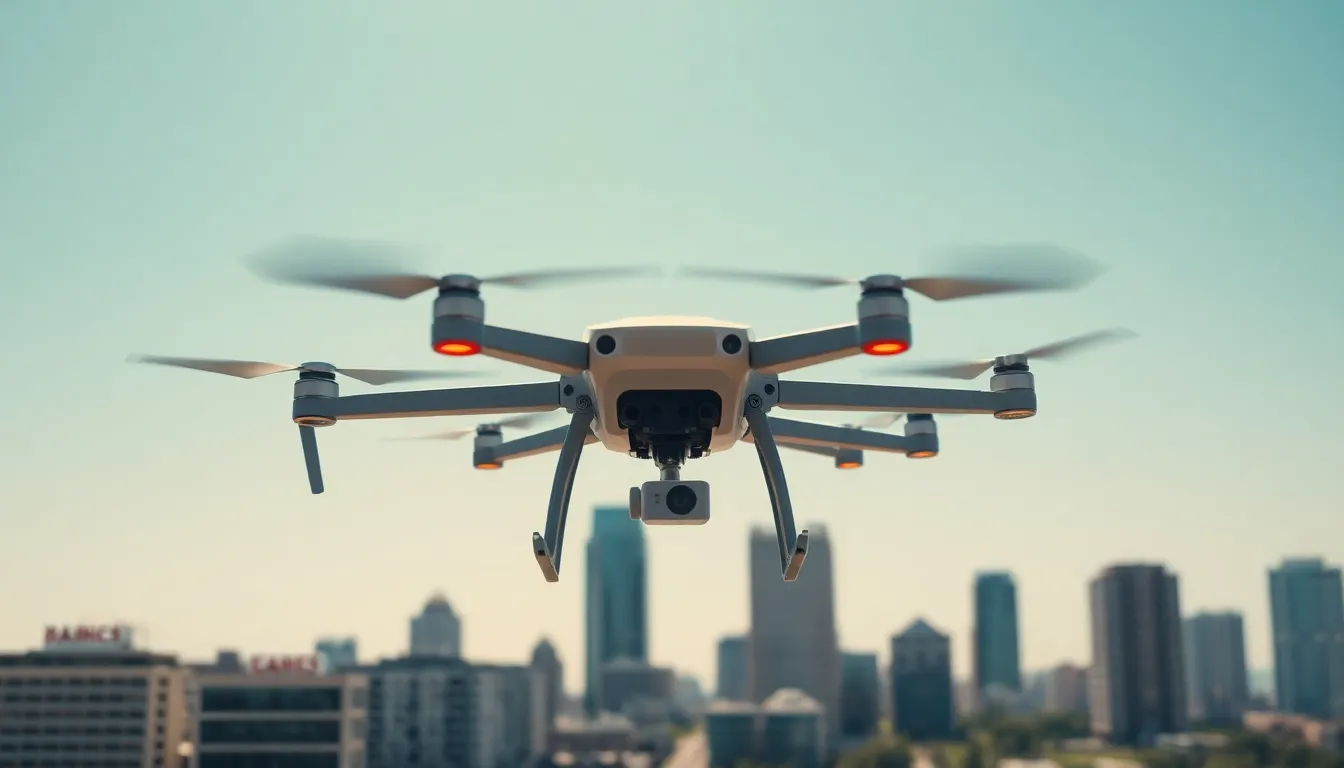
VTOL drones, or Vertical Take-Off and Landing drones, are aerial vehicles designed to take off and land vertically, much like a helicopter. What makes them stand out is their ability to hover and maneuver in tighter spaces, giving them an edge over traditional aircraft. With a variety of designs, from quadcopters to hybrid models, VTOL drones have gained popularity in both commercial and recreational fields. Imagine surveillance missions, package deliveries, or simply capturing stunning aerial footage, all done with the agility and versatility of a VTOL setup.
How VTOL Drones Work
At their core, VTOL drones use multiple rotors or rotor systems to generate lift. This allows them to ascend and descend without the need for a lengthy runway. Typically, a drone will have tilt-rotors, which rotate to transition between vertical and horizontal flight. During takeoff, the rotors spin vertically, providing lift, whereas during forward flight, they tilt forward to produce forward thrust.
Powering these aircraft is usually an electric motor or a small combustion engine, allowing for an efficient flight and reduced carbon emissions. The onboard technology consists of advanced sensors and navigation systems, which empower these drones to perform complicated maneuvers with grace and precision.
Applications of VTOL Drones
The applications of VTOL drones are as diverse as they are impressive. From delivering medical supplies to remote locations to surveying agricultural land, the potential is enormous. Consider the following areas where VTOL drones are making waves:
Surveillance and Monitoring
Government agencies and private entities use VTOL drones for surveillance, offering real-time data and feedback. They can cover large areas in a fraction of the time it would take conventional methods.
Transportation
Several companies are exploring air taxis, anticipating a future where commuters can bypass ground traffic entirely. Imagine being whisked away from your office to the beach in a matter of minutes.
Search and Rescue
In disaster situations, VTOL drones can quickly assess the landscape and locate survivors, potentially saving lives when time is of the essence.
Advantages of VTOL Drones Over Traditional Aircraft
Traditional aircraft are fantastic for long-distance travel, but they come with limitations, primarily the need for extensive runways. VTOL drones revolutionize this space with several advantages:
- Versatility: They can operate in confined areas, making them ideal for urban environments.
- Reduced Noise: Compared to helicopters, many VTOL designs operate much quieter, reducing disturbances in populated regions.
- Lower Costs: Operating and maintaining VTOL drones can be significantly cheaper than traditional aircraft.
- Instant Deployment: With minimal setup, these machines can be rapidly deployed in emergency scenarios or time-sensitive projects.
Challenges Facing VTOL Drone Technology
While the benefits of VTOL drones are clear, they face some notable challenges. One of the primary concerns is safety, incidents involving drones can cause significant damage or injury. The development of reliable fail-safes and robust technology is crucial to mitigate these risks.
Another major hurdle is regulatory. Drones must comply with stringent aviation laws, which often lag behind technological advancements. This regulatory environment can restrict the ability of companies to innovate and deploy these technologies effectively.
Also, battery technology remains a limiting factor. While there are innovations in battery life and weight, achieving sustained flight times comparable to traditional aircraft remains a work in progress.
The Future of VTOL Drones
As technology advances, the future of VTOL drones looks promising. Innovations in battery efficiency will likely extend flight times, while improvements in AI and machine learning could allow for smarter, autonomous operation.
Some companies are already paving the way for the first commercial air taxis, giving urban commuters an exciting glimpse into the future. Environmental regulations are pushing for greener aviation solutions, and VTOL drones, with their electric propulsion systems, can play a pivotal role in this transition. With continued investment and research, it is not far-fetched to envision a world where VTOL drones become an integral part of our daily lives.